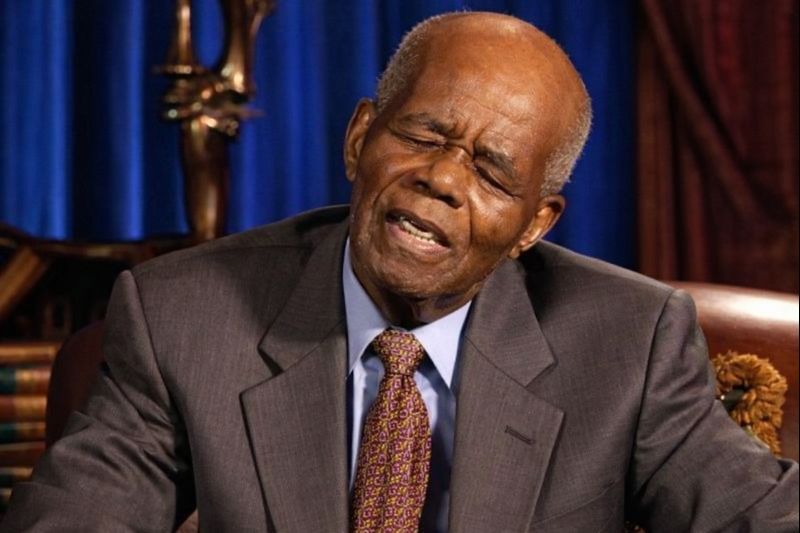
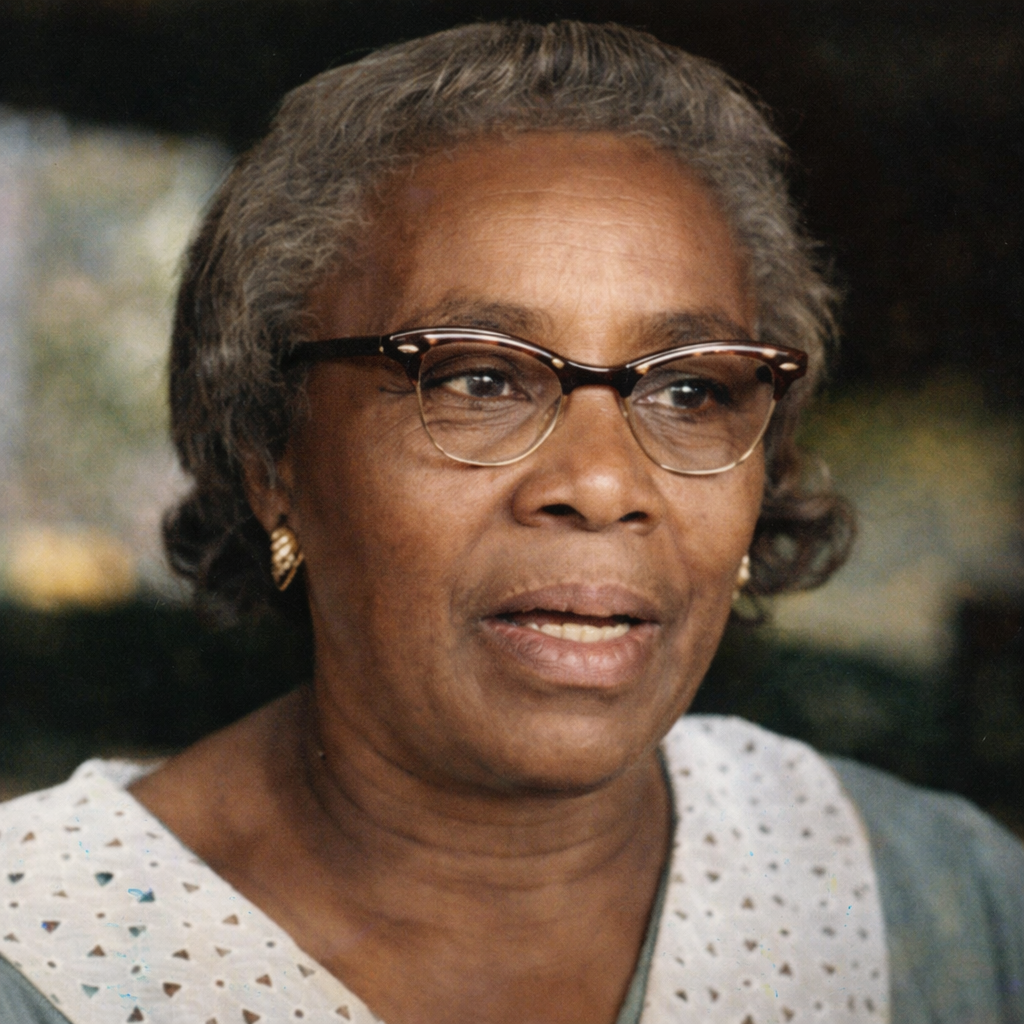
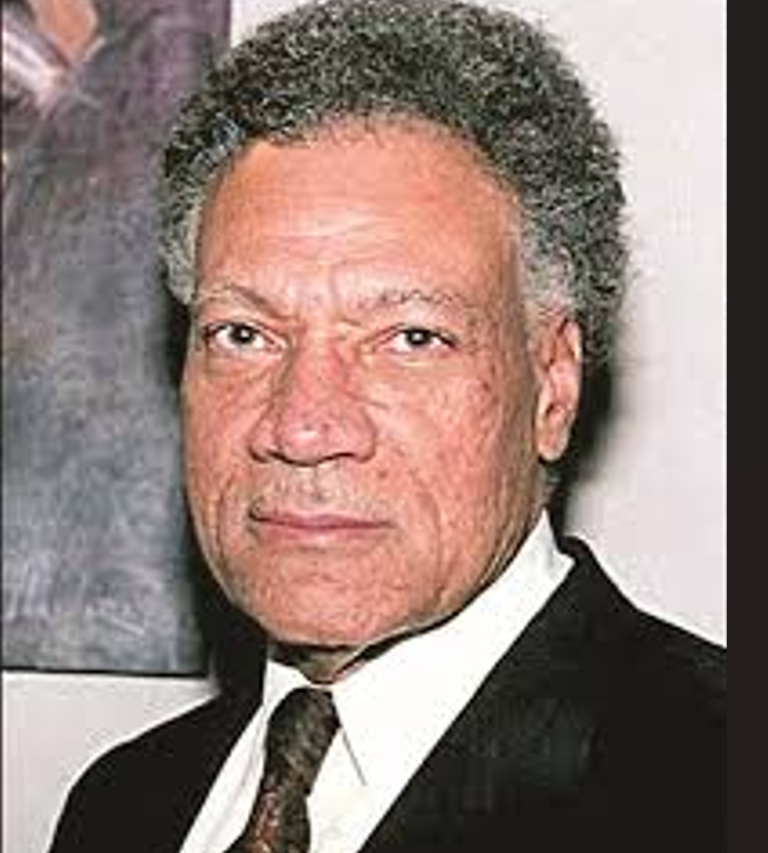
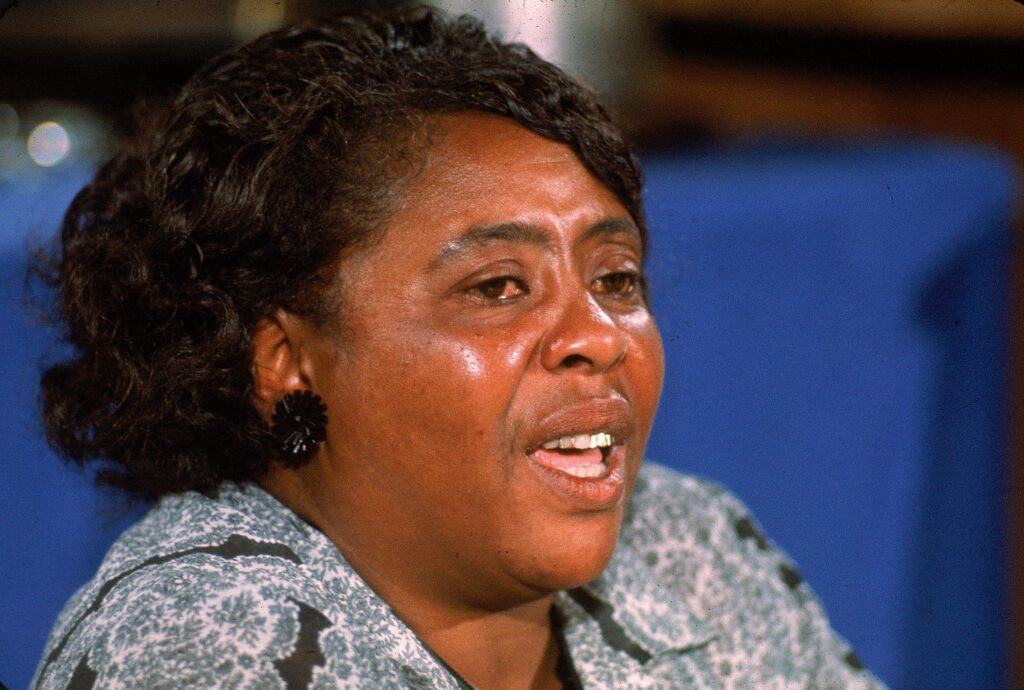
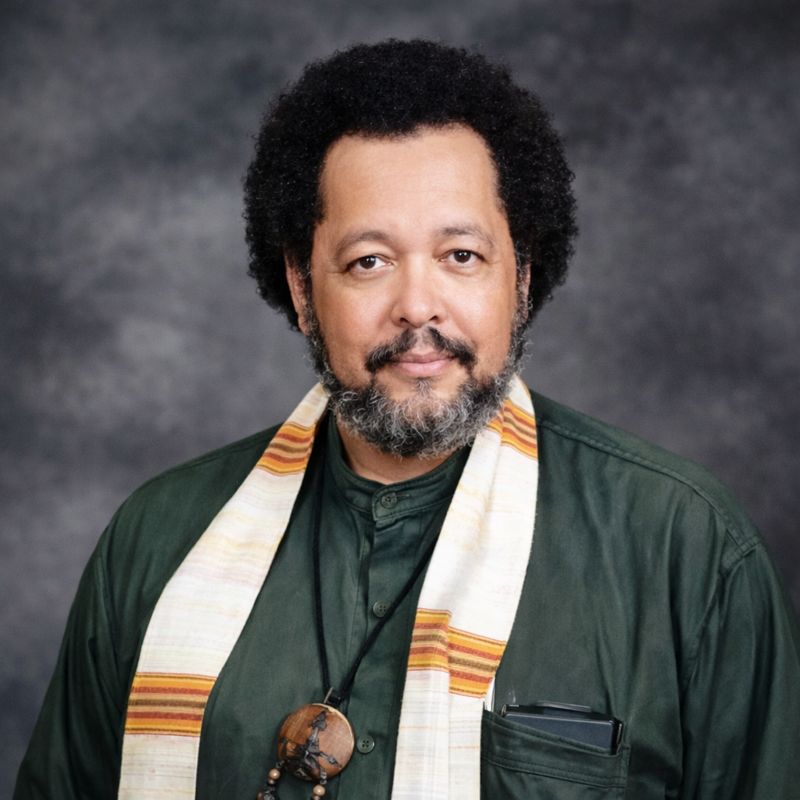
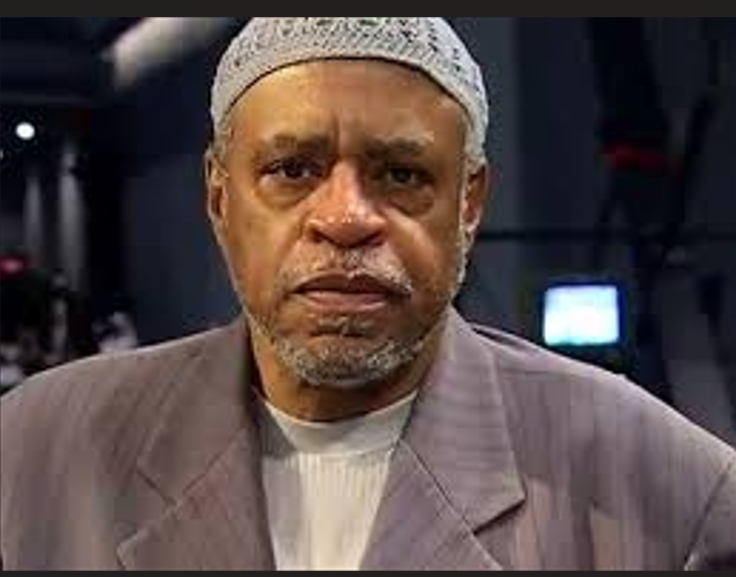
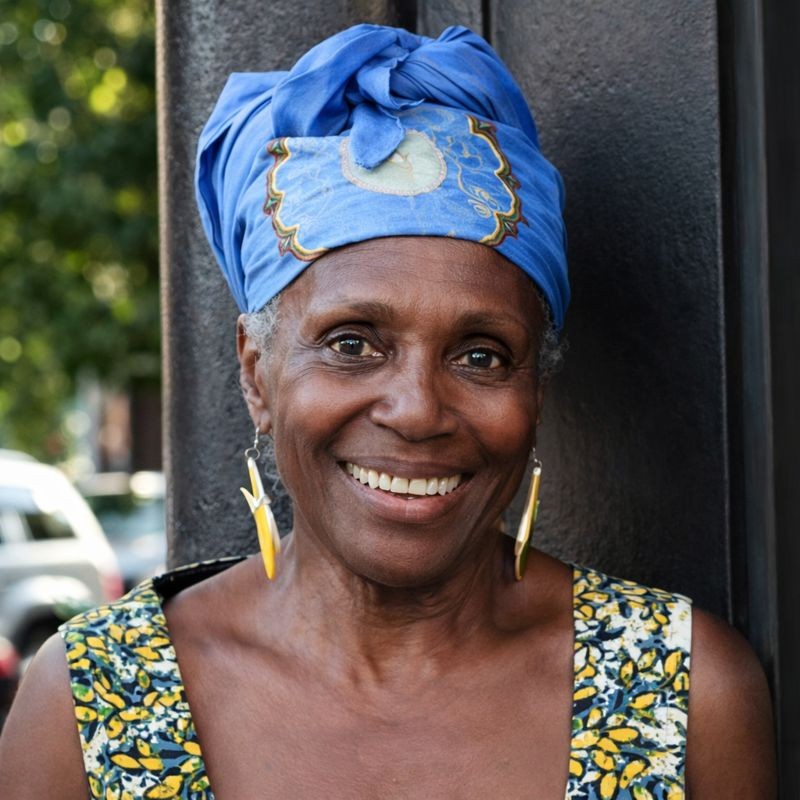
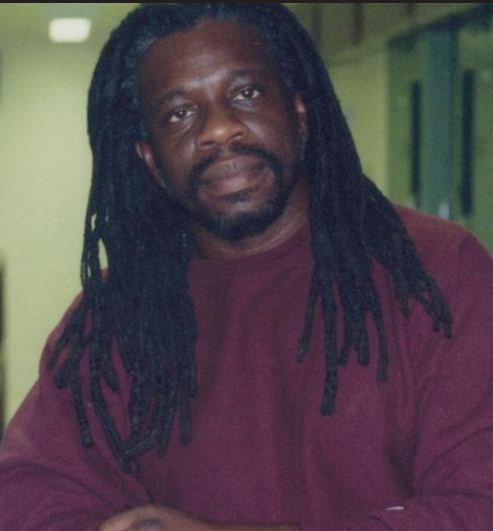
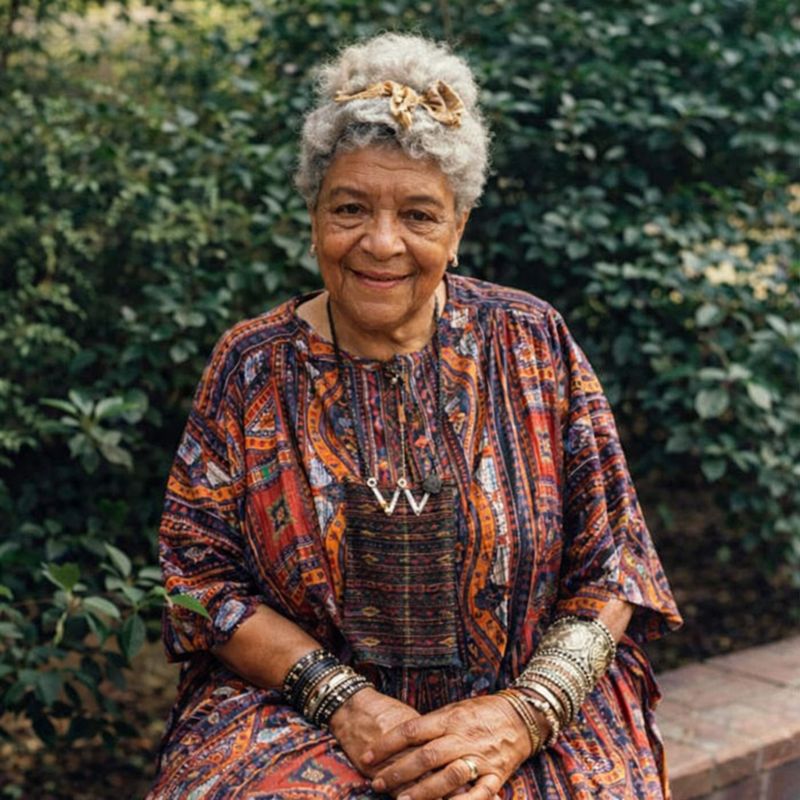
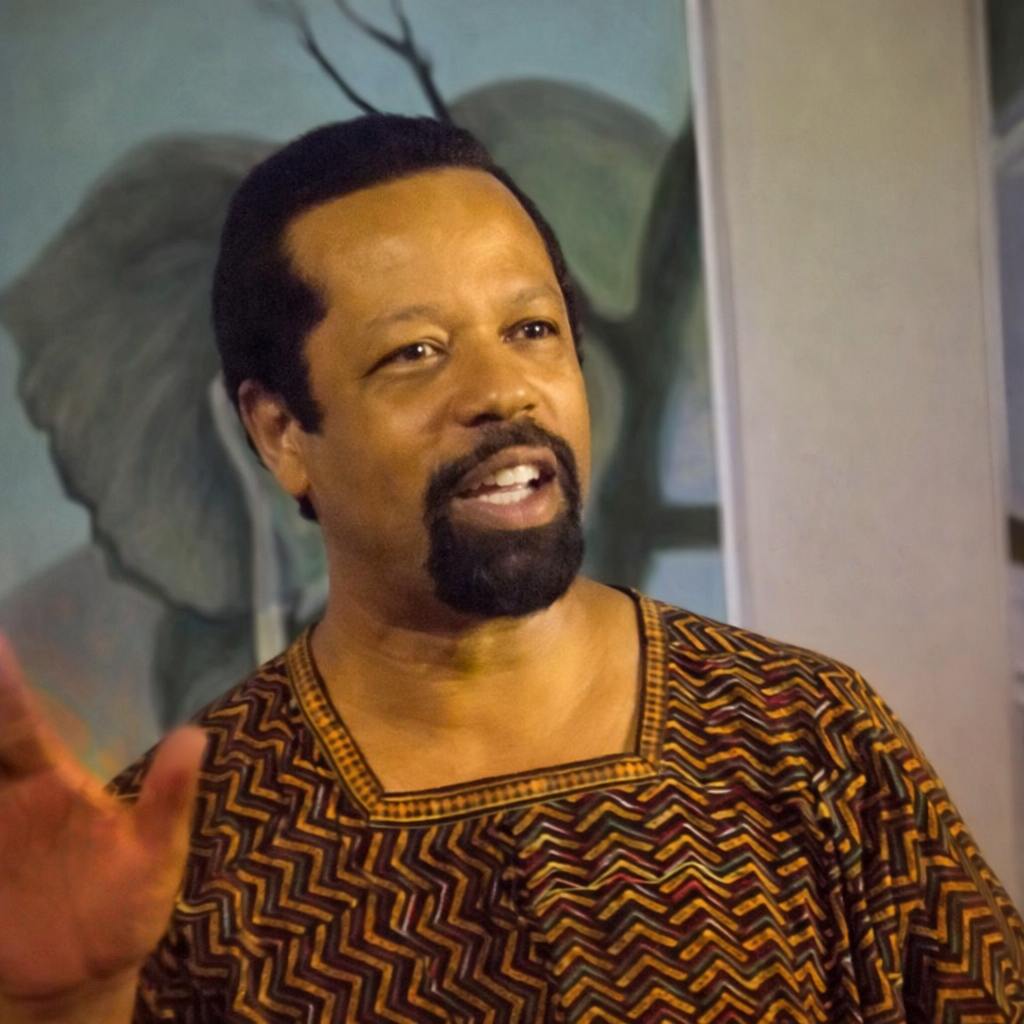
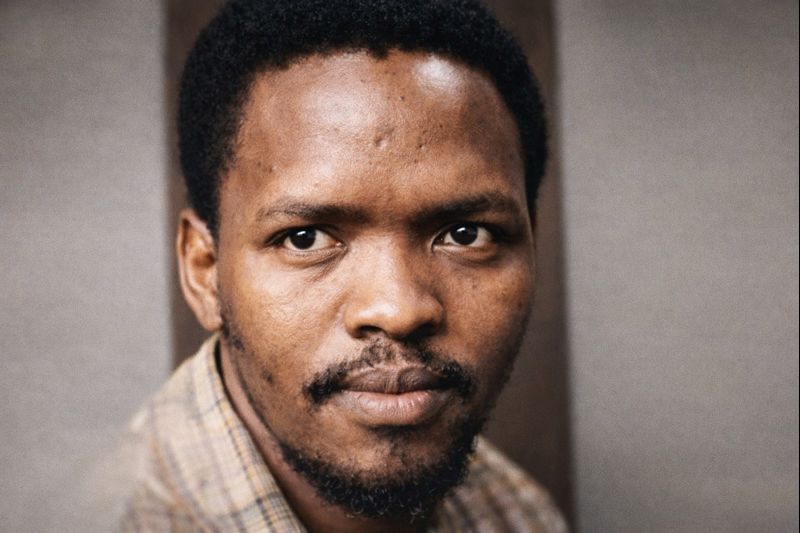
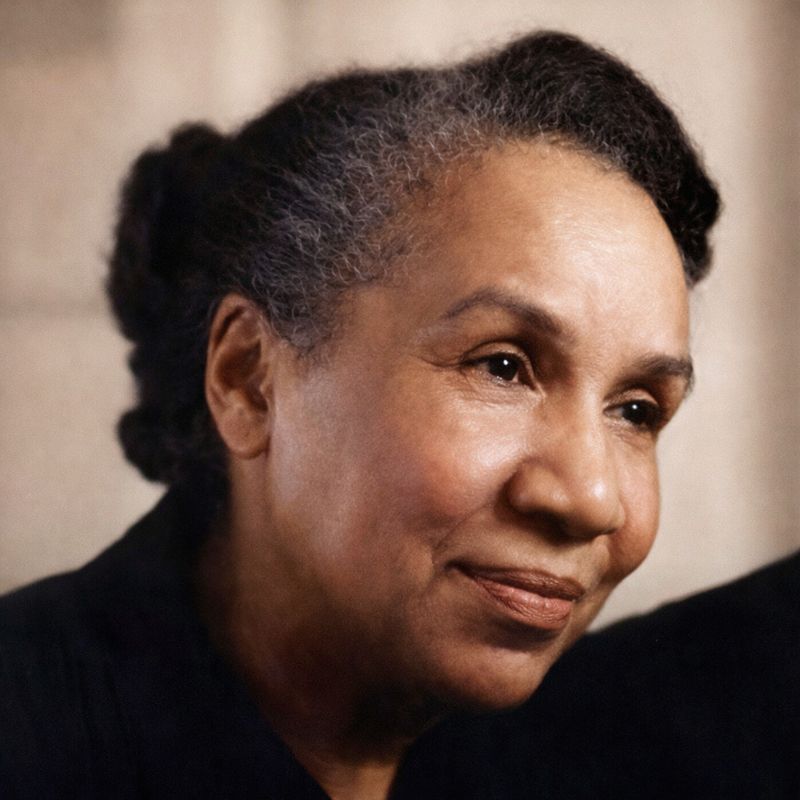
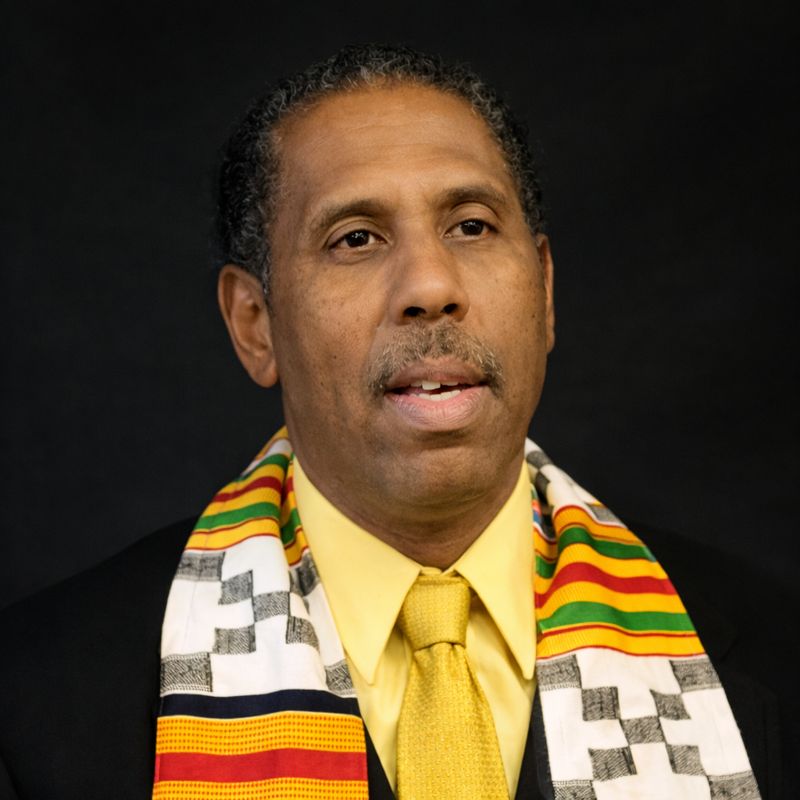
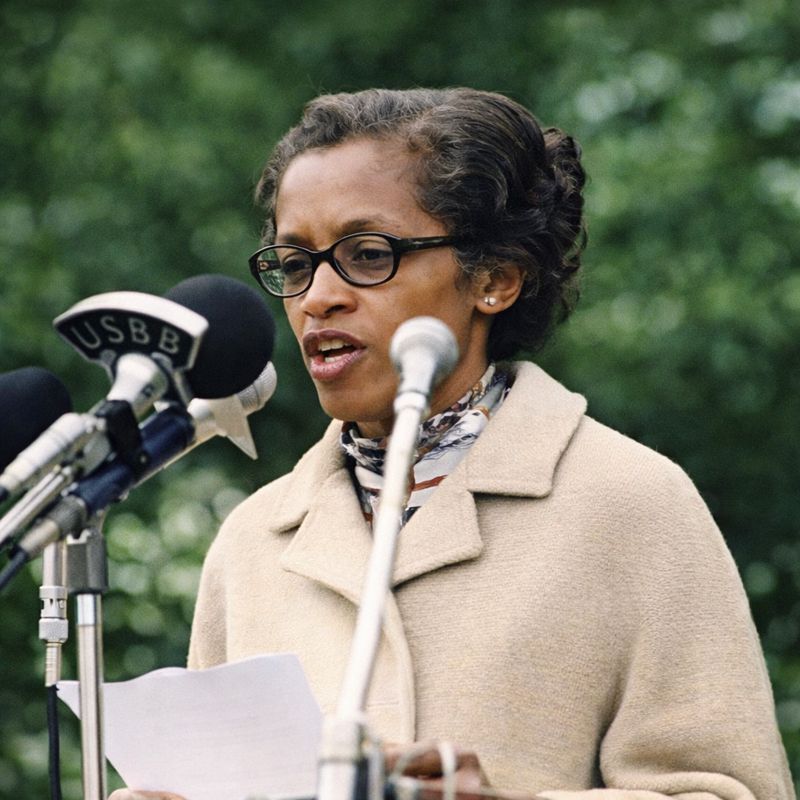
Dr. John Henrik Clarke 1

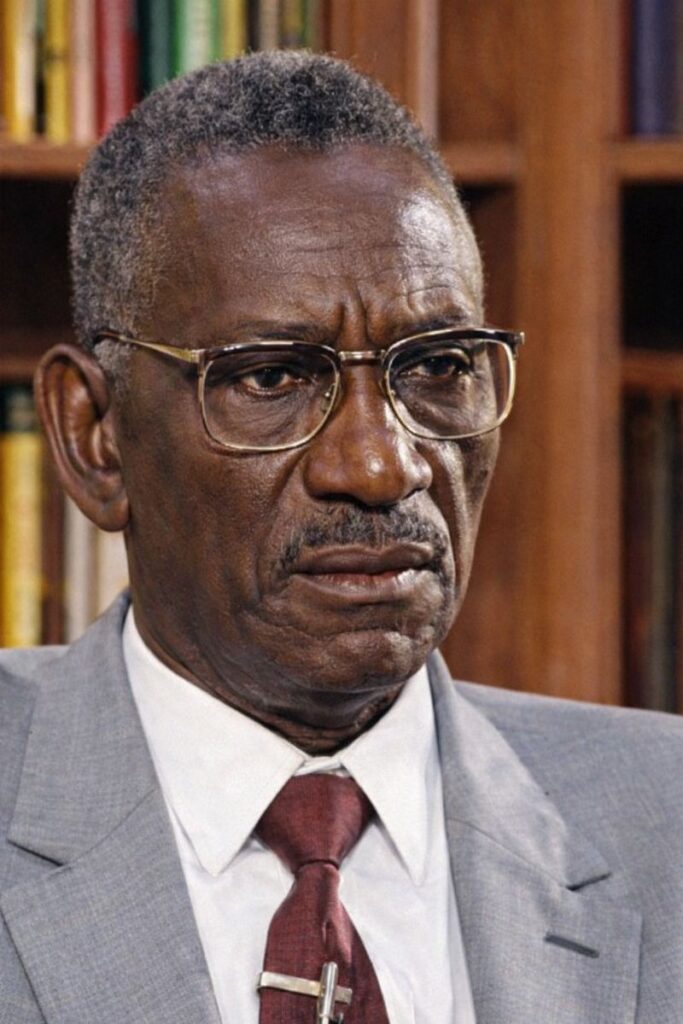
Dr. John Henrik Clarke

"To control a people you must first control what they think about themselves and how they regard their history and culture. And when your conqueror makes you ashamed of your culture and your history, he needs no prison walls and no chains to hold you."

Historian, Lecturer, philosopher, writer, Pan Africanist

He was born John Henry Clark on January 1, 1915, in Union Springs, a small farming community in Alabama, and died Dr John Henrik Clarke in Mount Sinai, New York, July 16,1998. John Henrik Clarke was not destined to become a small farmer as his parents thought, he beat the odds to become a stalwart in the genre of African History and education. At 18 years of age he hightailed it out of Alabama, hopped a freight train to New York, where he not only changed his name but changed his expectations and his destiny.

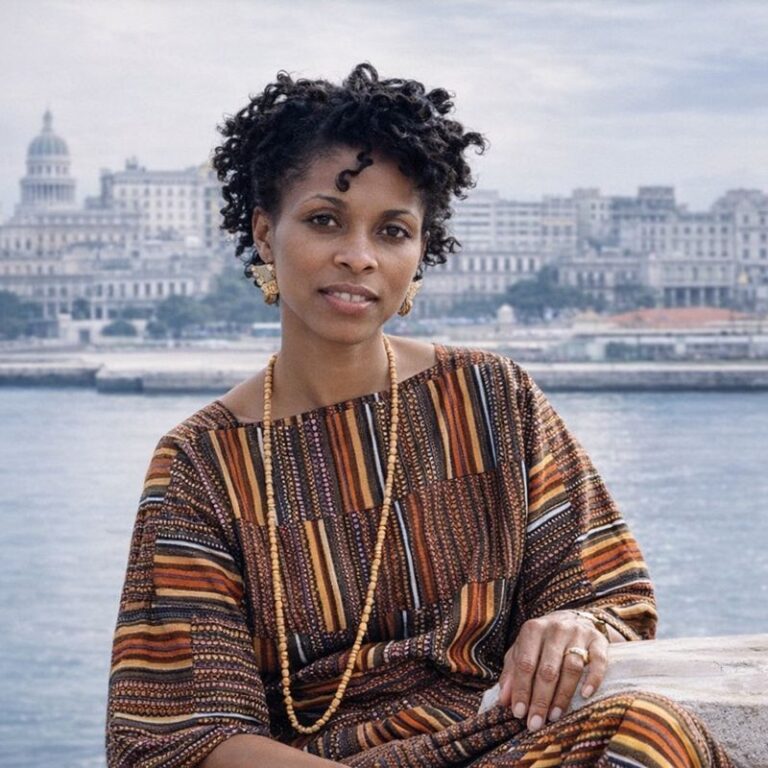
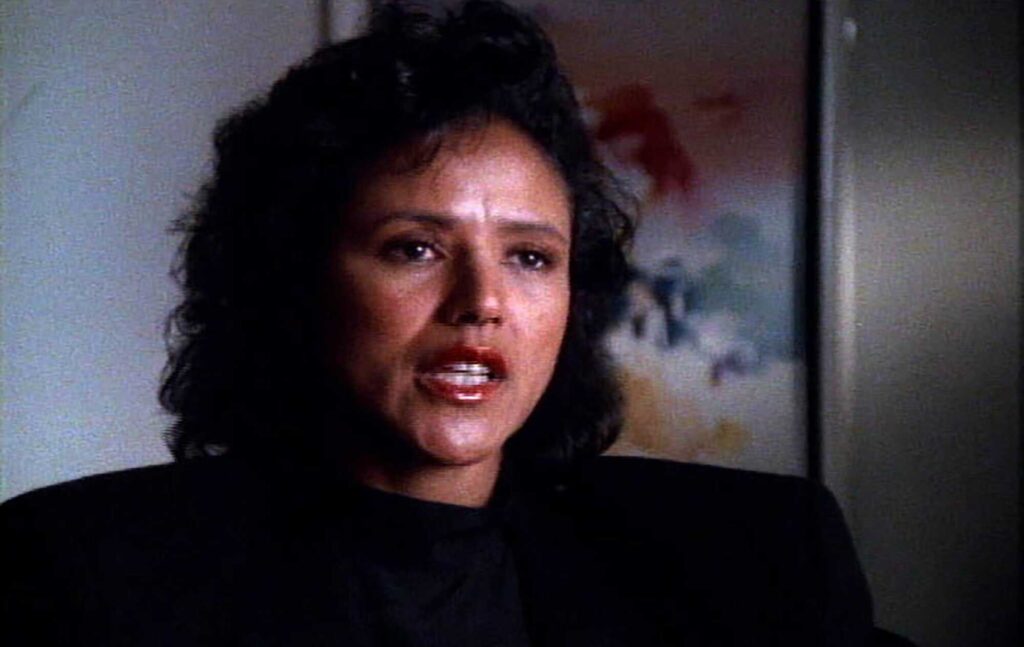
Assata Shakur

“People get used to anything. The less you think about your oppression, the more your tolerance for it grows. After a while, people just think oppression is the normal state of things. But to become free, you have to be acutely aware of being a slave.”

Assata Shakur is a former Black Liberation Army member and activist, born Joanne Byron in 1947, who became a symbol of Black liberation and a fugitive from the FBI after a 1973 shootout in which a state trooper diedShe was convicted of the trooper’s murder, an accusation she denies, and escaped from prison in 1979 to seek political asylum in Cuba, where she continues to reside. 

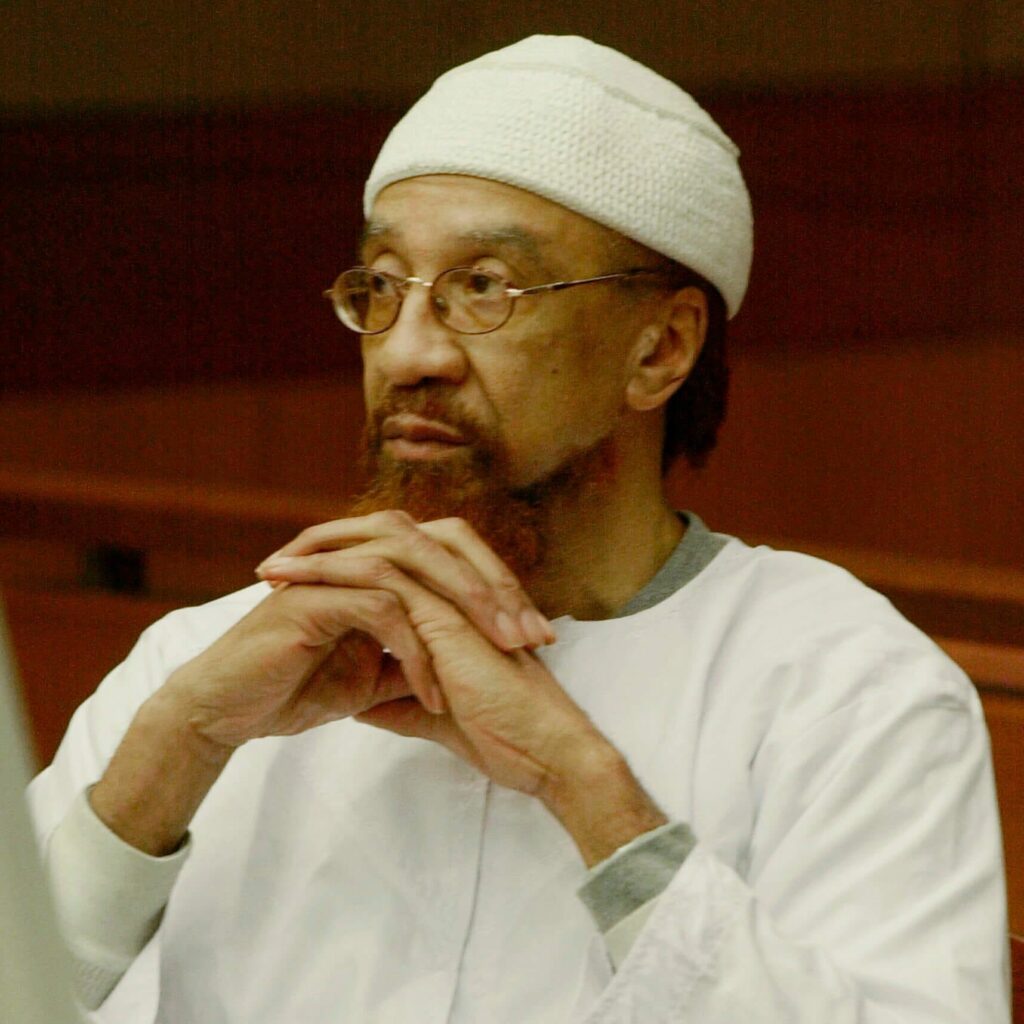
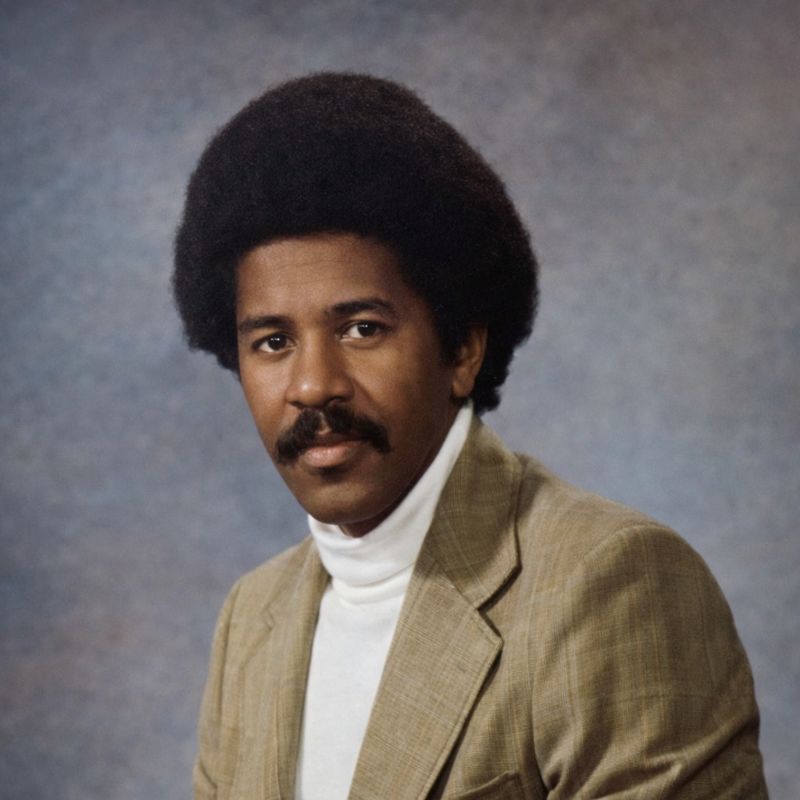
Jamil Abdullah Al‑Amin (Aka,H. Rap Brown)

“Violence is a part of America’s culture. It is as American as cherry pie.”

Born: October 4, 1943, in Baton Rouge, Louisiana
Birth name: Hubert Gerold Brown Grew up in the segregated South; his father worked for Esso Oil and his mother was a domestic worker and teacher   

Moved to Washington, D.C. at age 17 and joined the Nonviolent Action Group (NAG) Became chairman of NAG in 1964, which led him into the Student Nonviolent Coordinating Committee (SNCC)

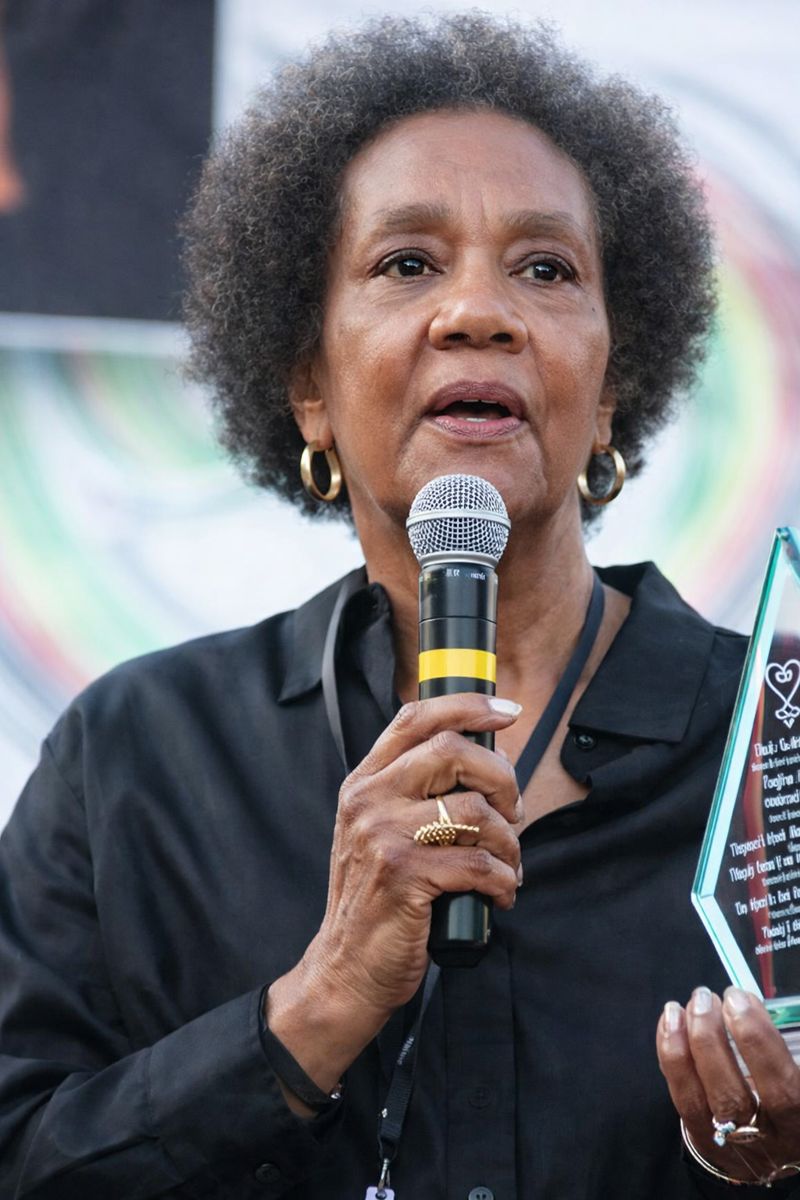
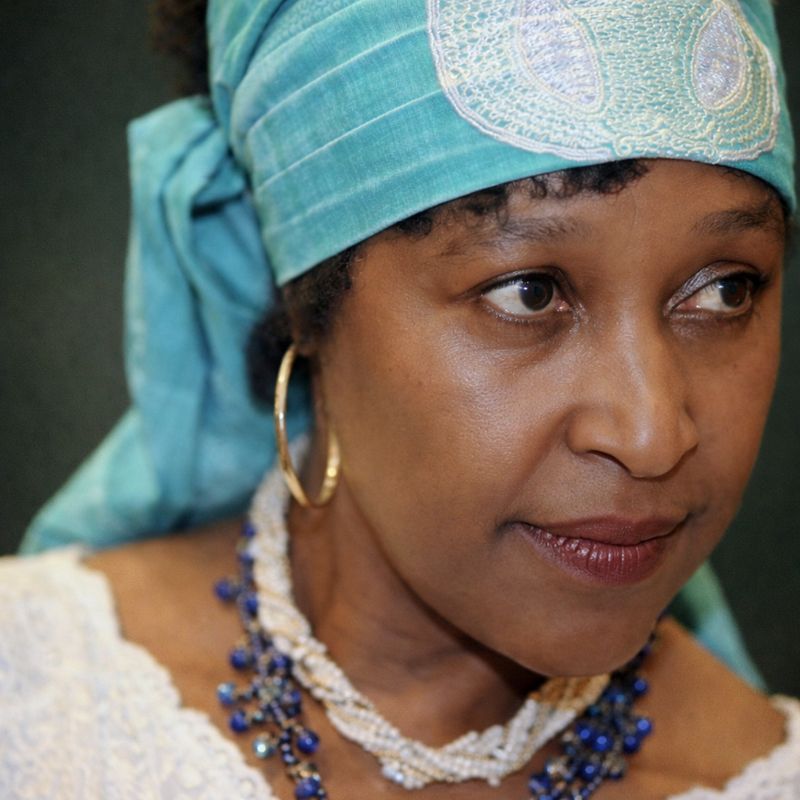
Dr. Francis Cress Welsing

“I think that… even though most white people are not consciously understanding their problem in genetics, they are certainly aware that they are genetically dominated by people of color – that’s why there’s the statement that one drop of black blood makes you black. Because people of color have the genetic capacity to annihilate white people.

Frances Cress Welsing (1935–2016) was a psychiatrist best known for The Isis Papers. Born in Chicago, she earned degrees from Antioch College and Howard University before building a career in child and general psychiatry in Washington, D.C. Welsing worked for the Department of Human Services, directed schools for emotionally troubled children, and opened a private practice. Her 1974 essay, The Cress Theory of Color-Confrontation, and later The Isis Papers (1991), advanced controversial ideas linking racism and white supremacy to melanin deficiency. Beyond her writings, she promoted strong African American families and education as tools against oppression.

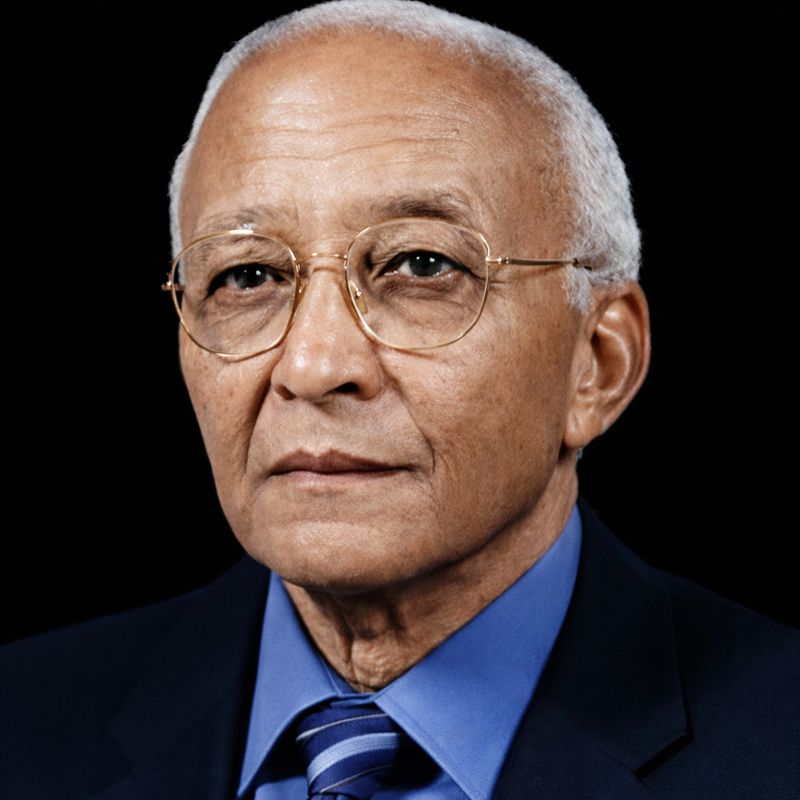
Dr. Neely Fuller Jr.

“If you don't understand white supremacy—what it is and how it works—everything else that you do understand will only confuse you.”

Biography of Neely Fuller Jr. (1929–2025)
Counter-Racism Theorist • Author • Mentor to Dr. Frances Cress Welsing
Neely Fuller Jr. was born on October 6, 1929, in Valdosta, Georgia, and raised in the Jim Crow South. His early experiences with racial injustice shaped a lifelong mission to understand and dismantle systemic white supremacy. He served in the U.S. Army during the Korean War, later working in civil service while developing his groundbreaking theories on racism.

Ella Baker

“The struggle is a never-ending process. Freedom is never really won; you earn it and win it in every generation.”

Ella Josephine Baker was born on December 13, 1903, in Norfolk, Virginia, and grew up in Littleton, North Carolina in a tight-knit family that stressed community responsibility and dignity. Stories from her grandmother, who had been enslaved, shaped Baker’s lifelong commitment to justice and equality.

"By Any Means Necessary!"

Malcolm X was an African American revolutionary, Muslim minister, and human rights activist who was a prominent figure during the civil rights movement until his assassination in 1965.  

Birth & Early Life: Born Malcolm Little on May 19, 1925 in Omaha, Nebraska, he grew up amid racial violence. His father, Earl Little, was a Baptist minister and Garveyite activist who was killed under suspicious circumstances, and his mother, Louise, was institutionalized, leaving Malcolm in foster care.
• Transformation in Prison: After a troubled youth and imprisonment for burglary, Malcolm educated himself and converted to Islam, joining the Nation of Islam (NOI) while incarcerated.

Malclom X

Diane Nash

“If you are comfortable with your position, it’s probably not radical enough.”

Diane Judith Nash was born May 15, 1938, in Chicago, Illinois. She became one of the most influential student leaders of the Civil Rights Movement of the 1960s, known for her courage, strategic thinking, and steady commitment to nonviolent action.

Dr. Ase G. Hillard III

"The Problem that African people face is not simply the direct inconvenience of oppression, physical containment and brutality. The problem is one of mental containment or stated differently one consciousness. Specifically, it is a problem of consciousness or lack of awareness."

Asa G. Hilliard III (August 22, 1933 – August 13, 2007), also known as Nana Baffour Amankwatia II, was an African-American professor of educational psychology who worked on indigenous ancient African history (ancient Egyptian), culture, education and society. He was the Fuller E. Callaway Professor of Urban Education at Georgia State University, with joint appointments in the Department of Education Policy Studies and the Department of Educational Psychology and Special Education. Prior to his position at Georgia State, Hilliard served as the Dean of the School of Education at San Francisco State University in San Francisco, California.

Rosa Parks

“I have learned over the years that when one’s mind is made up, this diminishes fear; knowing what must be done does away with fear.”

Rosa Parks (1913–2005) was an American civil rights activist whose quiet defiance sparked a movement. Born in Tuskegee, Alabama, she became nationally recognized after refusing to surrender her bus seat to a white passenger in Montgomery in 1955. Her arrest ignited the Montgomery Bus Boycott, led by Martin Luther King Jr., which lasted over a year and helped dismantle segregation laws. Known as the “mother of the civil rights movement,” Parks remained a lifelong advocate for racial equality.

Dr. Chancellor William

"African and person of African descent must assume the primary responsibility and leadership in historical research.... If we are to continue to leave practically all important historical research and writing concerning the black race to the white man, then we must prepared to accept, uncomplainingly, the white man point of view."

Dr. Chancellor Williams was an influential African American educator, historian, and author, born on December 22, 1898, in Bennettsville, South Carolina. He earned degrees from Howard University and American University, and held various teaching positions, including a significant tenure at Howard University. Williams’s career also included work for the U.S. government during World War II, where he served in roles related to statistics and economics.

Ambassador Chihombori-Quao

“The environment in which our leaders govern today is largely controlled by a combination of the legacies of the Berlin Conference and the Pact for the Continuation of Colonization. This combination is nothing other than a ridiculous formula to guarantee the continued exploitation and colonization of the fourteen African nations. It is a recipe for the perpetual failure of these nations.”

Early Life & Education: Born in Chivhu, Zimbabwe, she emigrated to the United States in 1977. She studied at Fisk University (B.S. in Chemistry) and Meharry Medical College (M.D. in Medicine, plus a master’s in Organic Chemistry). • Medical Career: Practiced family medicine in Tennessee for over 25 years and founded Bell Family Medical Centers in the U.S. and Zimbabwe. • Diplomatic Role: Served as the African Union Ambassador to the United States (2016–2019), where she worked to strengthen ties between Africa, the U.S. government, and the African diaspora.

Dr. Ivan Van Sertima

“You can not make yourself whole again by brooding one hundred percent of the time on the darkness of the world. We are the light of the world.”

Throughout his career as a scholar and author, Ivan Van Sertima worked to transform the way people viewed and taught African history. Van Sertima was born on January 26, 1935, in Kitty Village, Guyana when it was still a British colony. After completing high school, he worked as a Press and Broadcasting Officer for Guyana Information Services. In the late 1960s, Van Sertima did weekly broadcasts to Africa and the Caribbean as a journalist.

Fannie Lou Hamer

"Tired of Being Sicken Tired"

Born October 6, 1917, in Montgomery County, Mississippi, Hamer was the youngest of 20 children in a sharecropping family. Poverty and racial oppression shaped her childhood, and she began working the cotton fields at the age of six. 

Civil Rights Activism:      In 1962, Hamer became involved with the Student Non-Violent Coordinating Committee (SNCC) after attempting to register to vote. She endured brutal beatings and arrest for her activism, but her courage only strengthened her resolve.

Dr. Runoko Rashidi

“If we study history and anthropology we will find that all over the world the original people are Black people who migrated from Africa. This is confirmed by recent DNA studies.”

Dr. Runoko Rashidi (1954–2021) was an acclaimed historian, anthropologist, and author dedicated to documenting the global African presence across history. He traveled extensively, lectured in over 60 countries, and published more than 20 books highlighting Africa’s contributions to world civilizations.

Mary McLeod Bethune

“We have a powerful potential in our youth, and we must have the courage to change old ideas and practices so that we may direct their power toward good ends.”

Born: July 10, 1875, in Mayesville, South Carolina, to formerly enslaved parents.
Education: Attended Scotia Seminary and Moody Bible Institute, becoming the only child in her family to receive formal education.
Founder of Bethune-Cookman University: In 1904, she established the Daytona Normal and Industrial Institute for Negro Girls, which later became Bethune-Cookman College in Florida.
National Council of Negro Women: Founded in 1935 to unify African American women’s organizations and amplify their voices.

Dr. Cheikh Anta Diop

"The history of Black Africa will remain suspended in air and cannot be written correctly until African historians dare to connect it with the history of Egypt."

Dr. Cheikh Anta Diop  (December 29, 1923 – February 7, 1986) was a Senegalese historian, anthropologist, physicist, and politician.

He’s renowned for his foundational work in the theory of Afrocentricity, arguing that African civilizations shared a cultural continuity that is more significant than the Linquist’s and cultural differences among various ethnic group.  Diop’s research focused on the origins of the human race and pre-colonial African culture, and he was a key figure in the postcolonial turn in the study of African civilizations.  His contributions have significantly influenced the discourse on African history and culture, and his university in Dakar is named after him.   

Dorothy Height

"Greatness is not measured by what a man or woman accomplishes, but by the opposition he or she has overcome to reach his goals."

Dorothy Irene Height (1912–2010) was a pioneering civil rights and women’s rights leader, best known for her lifelong advocacy for African American women and her 40-year presidency of the National Council of Negro Women (NCNW).

Dr. Carter G. Woodson

If you can control a man's thinking you do not have to worry about his action. When you determine what a man shall think you do not have to concern yourself about what he will do. If you make a man feel that he is inferior, you do not have to compel him to accept an inferior status, for he will seek it himself. If you make a man think that he is justly an outcast, you do not have to order him to the back door. He will go without being told; and if there is no back door, his very nature will demand one.

Dr. Carter G. Woodson (1875–1950), known as the “Father of Black History,” was a pioneering historian, educator, and activist who founded the Association for the Study of Negro Life and History and created Negro History Week, the precursor to Black History Month.

Drusilla Dunjee Houston

"Out of anthropology, ethnology, geology, paleontology, archaeology, as well as history, I have dug up an irrefutable arsenal of facts that Harvard or Yale or cowardly scholarship in our race dare not refute. How can a leadership point the forward way that is utterly ignorant of the Past?" – Wonderful Ethiopians of the Ancient Cushite Empire, 1926

Born: January 20, 1876, in Harpers Ferry, West Virginia
Parents: Rev. John William Dunjee and Lydia Ann Taylor Dunjee
She was one of nine children, though only a few survived to adulthood. Her brother Roscoe Dunjee became a prominent civil rights activist and newspaper editor.
The Dunjee family moved to Oklahoma in 1892, where Drusilla became one of the first kindergarten teachers in the Oklahoma Territory at just 16 years old.

Dr. Amos Wilson

“When you are filled with self-hate your mind is reversed. Meaning you will love the things that destroy you, and you will hate the things that advance your growth.”

Dr. Amos N. Wilson (1941–1995) was a visionary African American psychologist, social theorist, and Pan-African scholar whose work focused on the psychological and structural roots of Black oppression and the urgent need for African-centered education and empowerment.

Violet Fletcher

At age 7, Fletcher witnessed the horrific destruction of Greenwood by a white mob in 1921. Her family fled their home with only the clothes they wore.

Viola Ford Fletcher was the oldest known living survivor of the 1921 Tulsa Race Massacre, passing away in 2025 at age 111. Her life became a symbol of resilience, justice, and historical remembrance.

Dr. Yosef Ben-Jochannan

“Education is the passport to the future, for tomorrow belongs to those who prepare for it today.”

Dr. Yosef Alfredo Antonio Ben-Jochannan (1918–2015), widely known as Dr. Ben, was a pioneering Afrocentric historian, educator, and writer whose scholarship reshaped understandings of African civilization and its global influence.

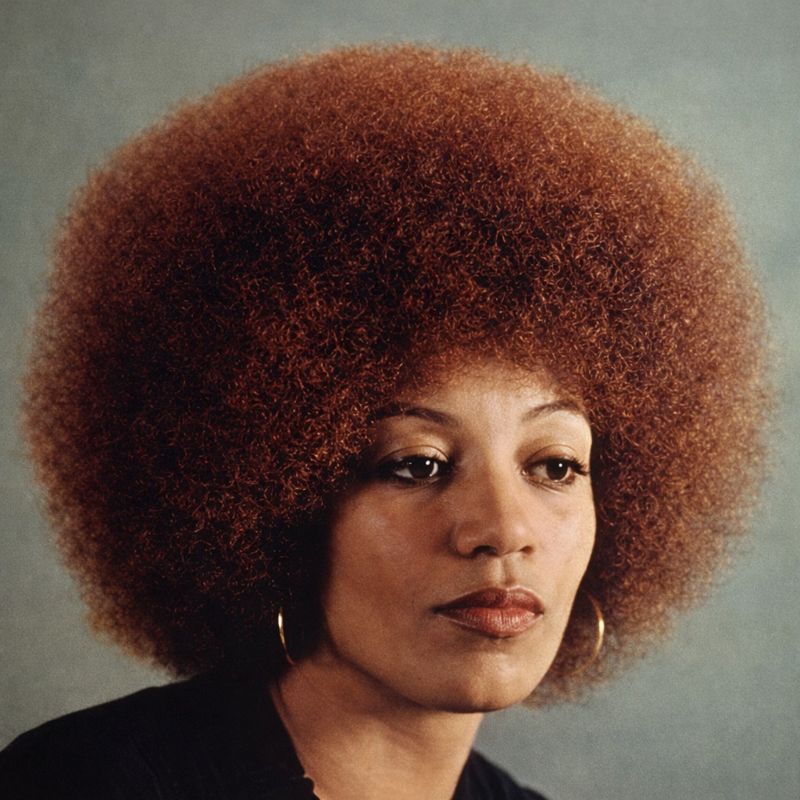
Angela Davis

“Struggle is a never ending process. Freedom is never really won, you earn it and win it in every generation.”

Angela Davis (born January 26, 1944) is an American political activist, scholar, and author, best known for her work in civil rights, prison abolition, feminism, and Marxist theory.


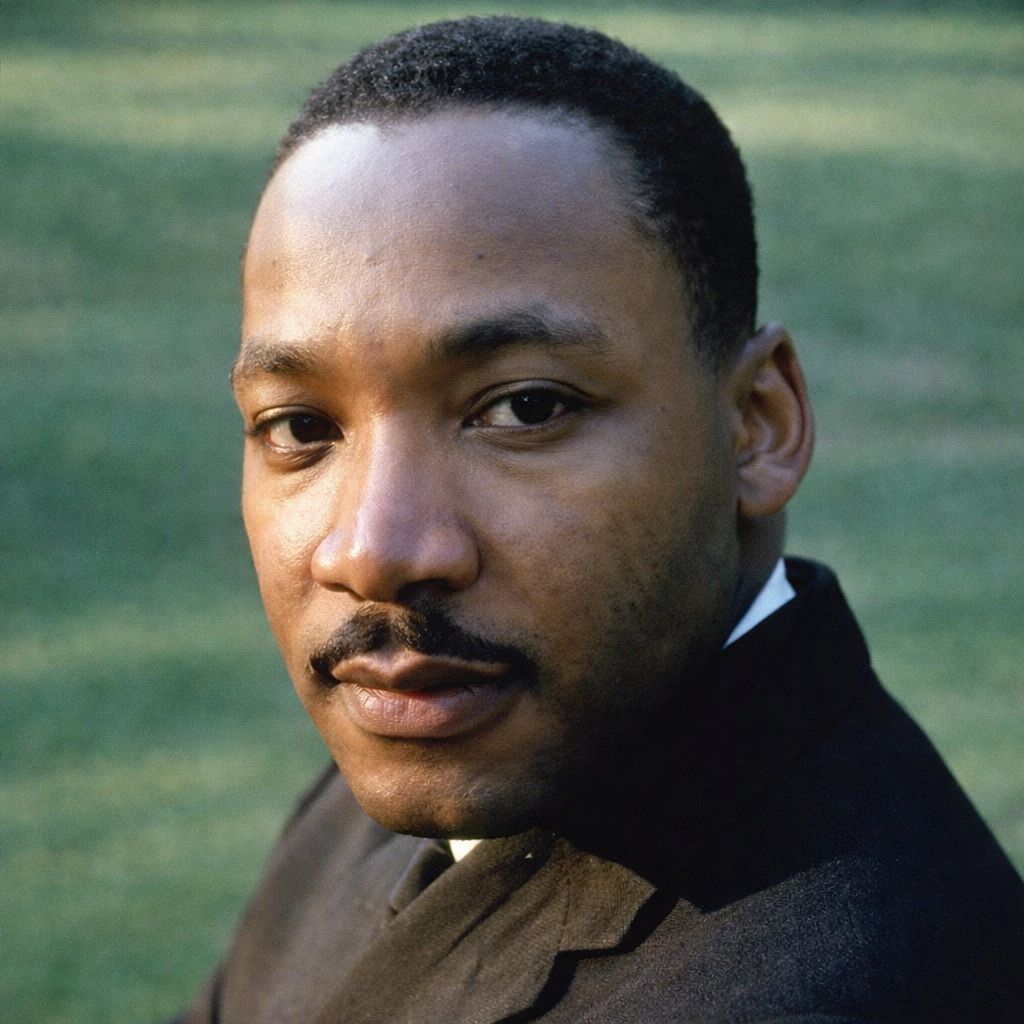
Dr. Martin Luther King

“If you can’t fly then run, if you can’t run then walk, if you can’t walk then crawl, but whatever you do you have to keep moving forward.”

Martin Luther King Jr. (1929–1968) was a Baptist minister, activist, and the most prominent leader of the American Civil Rights Movement, remembered for his philosophy of nonviolence and his vision of racial equality.

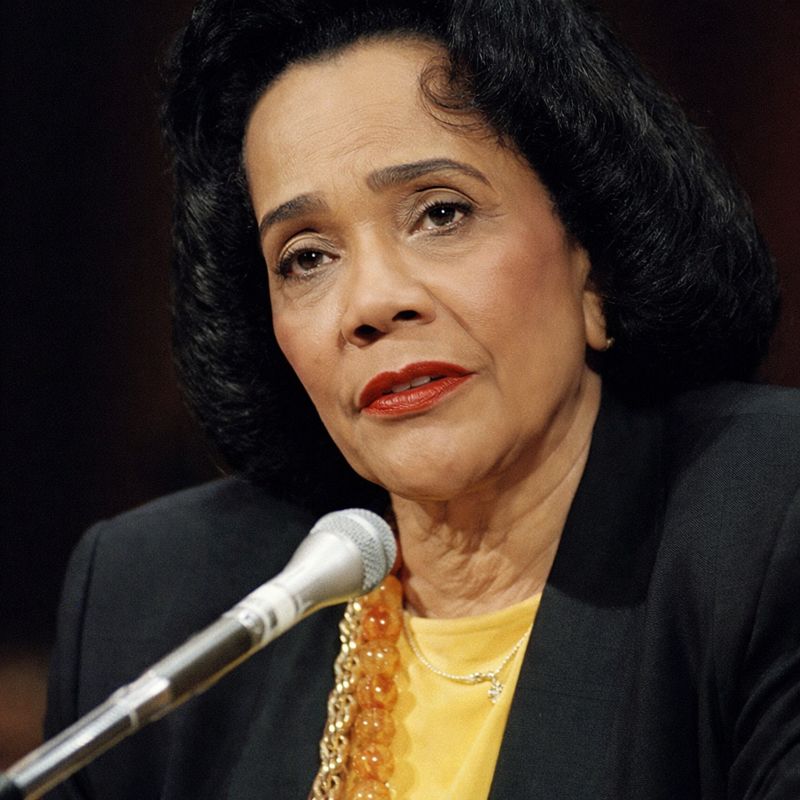
Coretta Scott King

Coretta Scott King (April 27, 1927 – January 30, 2006) was an American civil rights leader, author, global human rights advocate, and the architect of Dr. Martin Luther King Jr.’s legacy. She emerged as a major figure in her own right—before, during, and long after the height of the Civil Rights Movement.

Born in Birmingham, Alabama, into a middle-class African American family.
• Grew up in the segregated South, experiencing racial injustice firsthand.
• Attended Brandeis University, studying philosophy under Herbert Marcuse, a Marxist scholar.
• Continued studies in Germany and later earned her M.A. at UC San Diego and a Ph.D. at Humboldt University in Berlin.


Dr. Ishakamusa Barashango

“If you don’t understand the nature of your oppression, you will never understand the nature of your liberation.”

Dr. Ishakamusa Barashango (April 27, 1938 – January 14, 2004) was a theologian, historian, lecturer, and one of the most influential voices in Afrikan-centered scholarship. His work focused on reclaiming African spiritual traditions, exposing Eurocentric distortions, and empowering Black people through historical truth.

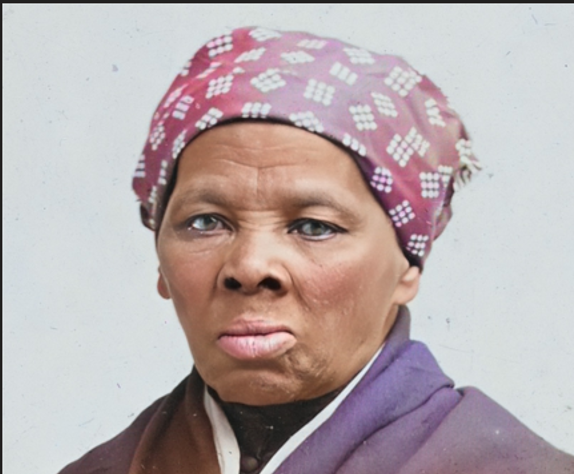
Harriet Tubman

“I was the conductor of the Underground Railroad for eight years, and I can say what most conductors can't say; I never ran my train off the track and I never lost a passenger.”

Harriet Tubman (c. 1822–1913) was an abolitionist, humanitarian, and one of the most courageous leaders of the Underground Railroad, guiding enslaved people to freedom and later serving as a nurse, scout, and spy during the Civil War.

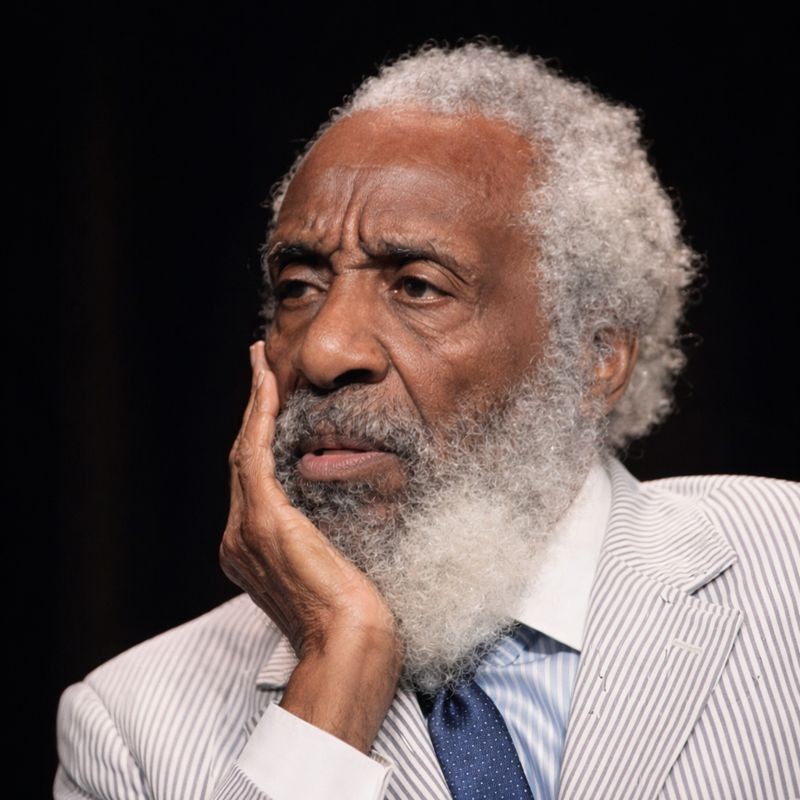
Dick Gregory

“Humor is a very powerful weapon. It breaks down barriers, it overcomes defenses, and it opens people’s minds.”

Dick Gregory — Biography

Name: Richard Claxton “Dick” Gregory
Born: October 12, 1932 – St. Louis, Missouri, USA
Died: August 19, 2017 – Washington, D.C., USA
Known for: Comedian, civil rights activist, author, health advocate, social critic

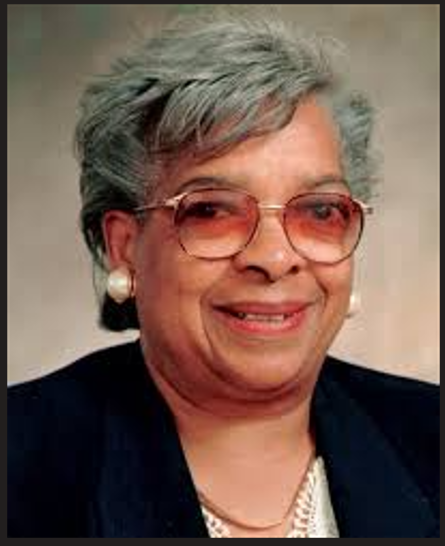
Annette Polly Williams

“Don’t call it a voucher plan. That’s not what I call it. It’s parental choice. My focus is always empowering the parents.”

Annette “Polly” Williams — Biography

Full name: Annette Joanne “Polly” Williams
Born: January 10, 1937 – Belzoni, Mississippi
Died: November 9, 2014 – Milwaukee, Wisconsin
Known for: Community organizer, educator, and state legislator; leader in Milwaukee’s school-choice movement

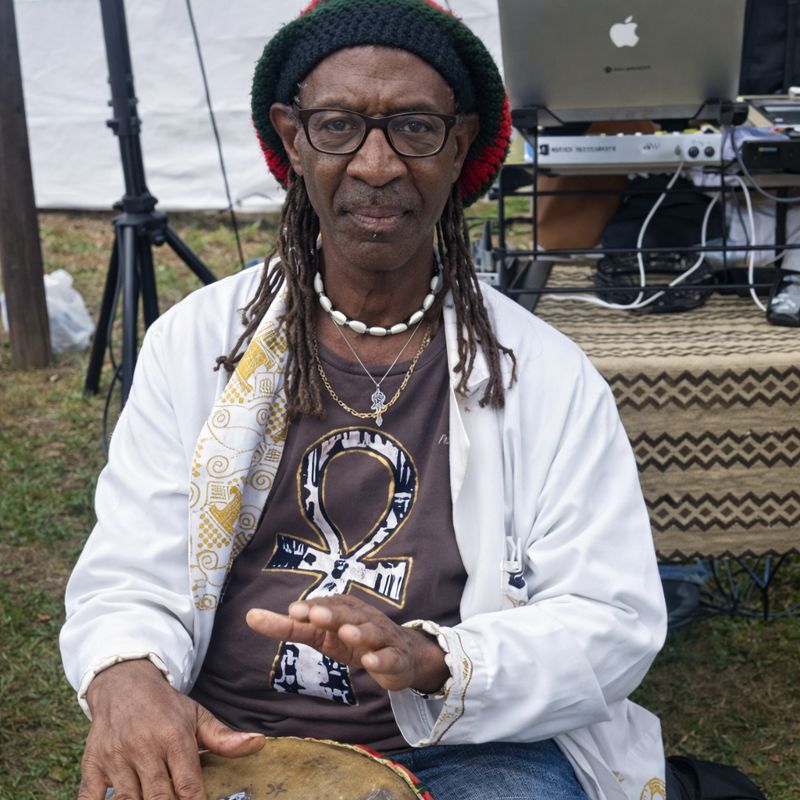
Baba Yoga Bey

"Everything's Is in Divine Order"

Baba Yoga Bey — Biography

Full Name: Quy-Yuim Baba Yoga Bey
Also Known As: Baba Soul Divine
Born: July 11, 1944 — Harlem, New York, USA
Primary Roles: Health & wellness practitioner, yoga and Qi-Gong instructor, community activist, holistic health educator

Kathleen Cleaver

“Revolution has always been about the people who are willing to change the conditions of their lives — not about the organizations that claim to lead them.”
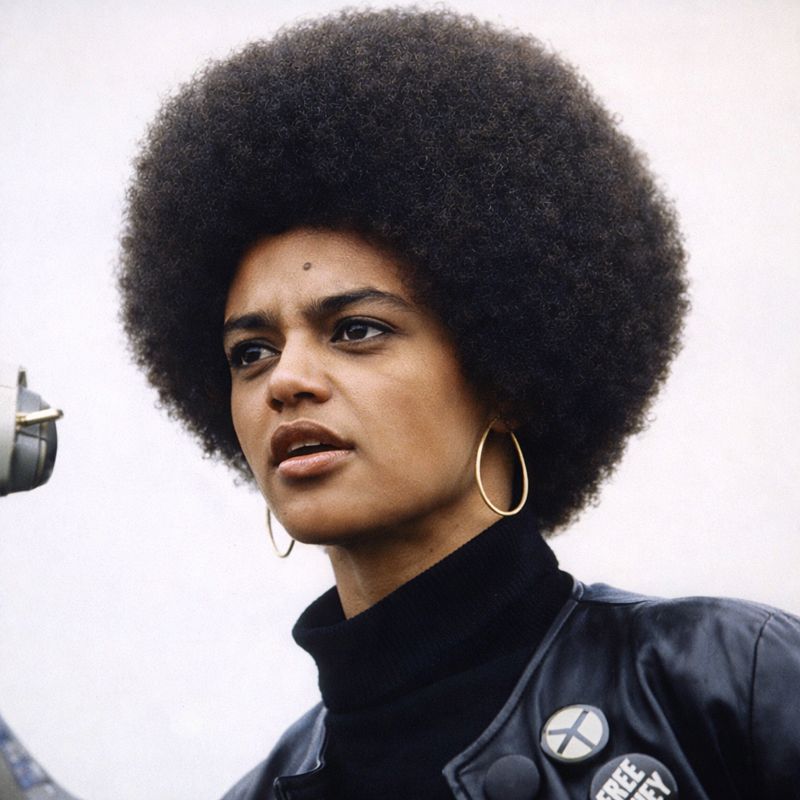
Kathleen Cleaver — Biography

Born: May 13, 1945 — Memphis, Tennessee, USA
Known for: Leader and spokesperson in the Black Panther Party; civil rights activist; legal scholar and professor
Also known as: Kathleen Neal Cleaver

Taki S. Raton

Taki S. Raton Founder of Martin R Delanly Academy in Milwaukee, Wisconsin

Taki S. Raton (d. 2015) was a respected Milwaukee‑based educator, writer, and African‑centered cultural scholar known for his unwavering commitment to empowering Black children through history, literacy, and cultural grounding. His work spanned classrooms, community institutions, and Black media, where he consistently championed African excellence and youth development.

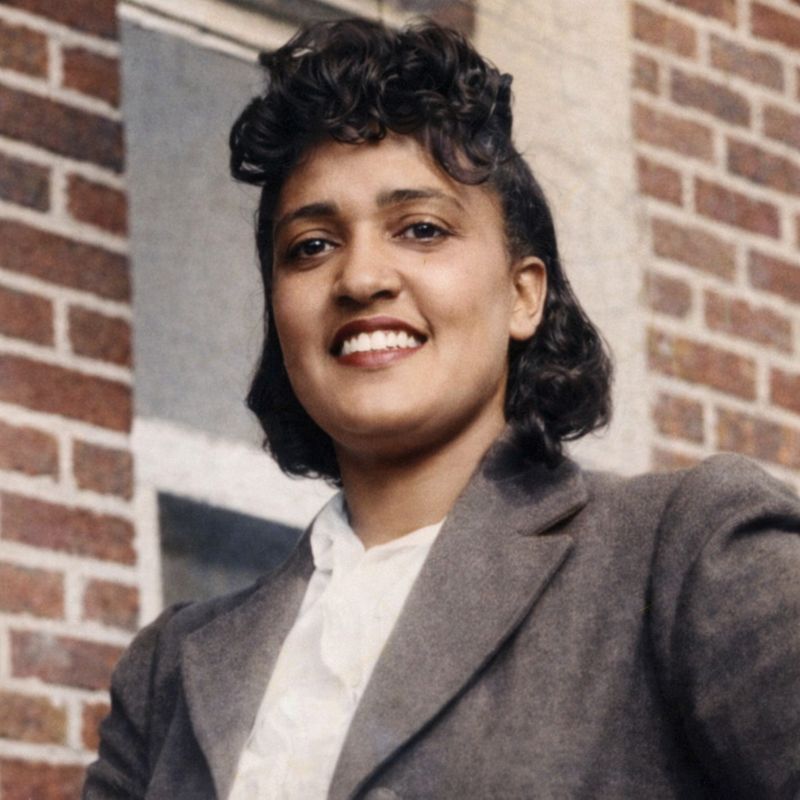
Henretta Lacks

Henrietta Lacks (1920–1951) was an African American woman whose cancer cells became the foundation of one of the most important medical breakthroughs in history: the HeLa cell line.

Born: August 1, 1920, in Roanoke, Virginia, as Loretta Pleasant.
• After her mother’s death, she was raised by her grandfather on a tobacco farm in Clover, Virginia.

Dr. Conrad Worrell

“When people in our movement give unselfishly, and consistently, over the years, like Kwame, we must never forget them.”
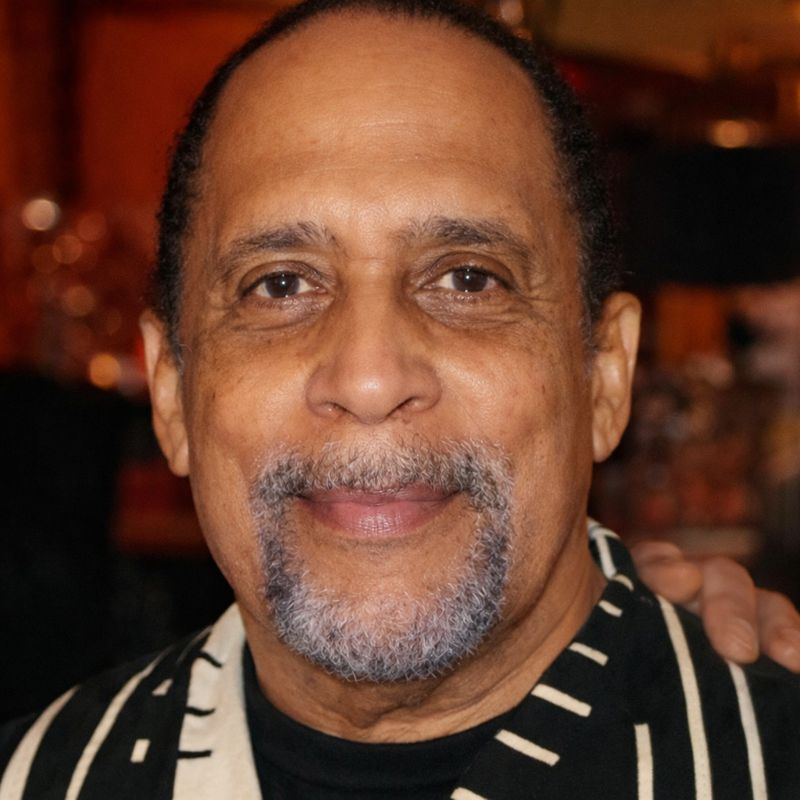
Dr. Conrad Walter Worrill (August 15, 1941 – June 3, 2020) was a leading architect of modern Black nationalist thought, a tireless advocate for African self‑determination, and one of the most influential organizers of the late 20th and early 21st centuries. He was a writer, educator, political strategist, and longtime host of the WVON radio program On Target.

Viola Plummer

“We have a right to defend ourselves against injustice.”
Viola Plummer gained national attention in 2007 following comments she made in response to the acquittal of a New York City police officer in the shooting death of Sean Bell. Her remarks, which expressed outrage and grief felt by many in the Black community, sparked public controversy and led to professional consequences, including the loss of her position as chief of staff to New York City Councilman Charles Barron.

Supporters argued that her words reflected justified anger over systemic injustice and police violence, while critics framed the remarks as inflammatory. The incident highlighted broader tensions around free speech, racial injustice, and the criminal justice system in the United States.

“A revolutionary must be healthy. There is no contradiction between struggle and healing.”

Mutulu Shakur (August 8, 1949 – July 7, 2023) was an African American activist, community health advocate, and political figure associated with the Black liberation movement of the 1970s and 1980s. He was also widely known as the stepfather of rapper Tupac Shakur.   

Born Jeral Wayne Williams in Baltimore, Maryland, Mutulu Shakur came of age during the height of the civil rights and Black Power movements. Influenced by revolutionary Black nationalist thought, he became involved in organizing efforts that emphasized self-determination, resistance to state repression, and community-based solutions to systemic injustice.

Queen Mother Audley Moore

“We must teach our children the truth of their history, not the lies of their oppressors.”

Biography of Queen Mother Audley Moore (1898–1997)
Trailblazing Activist • Reparationist • Pan-Africanist
Audley Eloise Moore, later honored as Queen Mother Moore, was born on July 27, 1898, in New Iberia, Louisiana. Orphaned young, she left school in the fourth grade to care for her sisters, later becoming a hairdresser and self-taught intellectual. Her political awakening began in the 1920s when she joined Marcus Garvey’s Universal Negro Improvement Association (UNIA), embracing Black nationalism and self-determination.

Steve Cokley

“No one is going to save us but us.”

Steve Cokely (June 17, 1952 – April 11, 2012) was an American public speaker and political activist known for lectures on race, power, and Black self-determination. He became widely known during the late 1980s and 1990s for his fiery speaking style and his focus on hidden power structures in politics and economics.

Elaine Brown

“The revolution has always been in the hands of the young. The young always inherit the revolution.”

Elaine Brown — Biography

Born: March 2, 1943 — Philadelphia, Pennsylvania, USA
Known for: Chairwoman of the Black Panther Party; activist, author, musician, prison-reform advocate
Also known as: Elaine Catherine Brown

Dr. Bobby E. Wright

“The Black child must be taught how to survive in a racist society.”

Dr. Bobby E. Wright (1934–1982) was a pioneering African American psychologist, scholar, and social critic whose work focused on the psychological impact of racism and white supremacy on Black people. He is best known for his influential book The Psychopathic Racial Personality, which challenged mainstream psychological frameworks by asserting that racism itself—rather than Blackness—was the primary source of social and psychological dysfunction in the United States.

Winnie Mandela

“Together, hand in hand, with our matches and our necklaces, we shall liberate this country.”

Winnie Mandela (born Nomzamo Winifred Zanyiwe Madikizela, September 26, 1936 – April 2, 2018) was a South African anti-apartheid activist, politician, and one of the most influential—and controversial—figures in the struggle against white minority rule.

Born in Bizana, in South Africa’s Eastern Cape, she trained as a social worker, becoming one of the first Black women in the country to do so. Her life changed profoundly after marrying Nelson Mandela in 1958. As Nelson Mandela was imprisoned for 27 years, Winnie emerged as a symbol of resistance, enduring constant harassment, banning orders, imprisonment, torture, and long periods of solitary confinement by the apartheid state.

Steve Biko

“The most potent weapon in the hands of the oppressor is the mind of the oppressed.”

Steve Biko
(18 December 1946 – 12 September 1977) Steve Biko was a South African anti-apartheid activist, intellectual, and founder of the Black Consciousness Movement, a philosophy that emphasized psychological liberation, self-reliance, and Black pride as essential foundations for political freedom. Born in King William’s Town in the Eastern Cape, Biko studied medicine at the University of Natal, where his experiences with racial discrimination shaped his political awakening.

Shirley Lola Graham Du Bois

“We have no choice but to be activists. We must change the world.”

Shirley Graham Du Bois (1896–1977) was a distinguished American writer, composer, historian, and Pan-African activist, whose life’s work bridged art, politics, and global Black liberation.

Born Shirley Lola Graham in Indianapolis, Indiana, she was raised in an intellectually vibrant household that emphasized education, culture, and racial pride. Exceptionally gifted, she became one of the first Black women to study at the Sorbonne in Paris, later earning advanced degrees in music and history. Her early career included composing operas and musical works centered on African American history—an uncommon and groundbreaking pursuit at the time.

Dr. Jawanza Kunjufu

“Black students do not have an achievement gap — they have an opportunity gap.”

Dr. Jawanza Kunjufu (June 15, 1953 – April 21, 2025) was a nationally recognized educational consultant, author, speaker, and publisher best known for his lifelong work in Black education, empowerment, and culturally responsive teaching in the United States. He dedicated more than four decades to addressing the structural inequities facing Black students and developing strategies to help them succeed academically, socially, and culturally.

Esther Victoria Cooper Jackson

“Police brutality… is one of the worst crimes against National Unity.”

Esther Victoria Cooper Jackson (May 21, 1917 – February 23, 2022) was an American civil-rights activist, organizer, scholar, and editor whose work spanned more than seven decades. She is best known as a founding editor of Freedomways magazine and as a key architect of mid-20th-century Black freedom movements linking racial justice, labor rights, anti-colonialism, and peace.

Glen Ford

“The Black misleadership class has become skilled in the art of appearing to oppose white supremacy while actually protecting it.”ere

Glen Ford (born Glen Rutherford, November 5, 1949 – July 28, 2021) was a American journalist, radio and television host, writer, and political commentator known for his incisive critiques of U.S. politics, systemic racism, and corporate power

Ron Pounds

Ron Pounds Founder of M.I.C.R.O. Minority In Computer Occupation

Queen Ifama Jackson

Queen Ifama Jackson "The Truth Terrorist" Founder of Motherland Media

Dr. William Rogers

Dr. William Rogers was a passionate educator, historian, and activist dedicated to illuminating the truth of Black and African greatness. He was deeply involved in community education, Pan-African scholarship, and media advocacy, especially through his work with the Black Radio Network and the podcast Time for an Awakening.

Site content is protected.